A Country’s Anti-Crisis Strategy: Solutions from the AES
Mainstream economics caused the crises and now offers the same failed solutions. Why does the Austrian School of Economics provide a better strategy — and why do governments ignore it?
In the second half of the 2020s, the global economy, particularly Europe and Ukraine, is in a state that can most accurately be described as a “crisis”.
Crisis is a set of circumstances, conditions, resources, mechanisms, and institutions that have accumulated such a number of contradictions, conflicts, and disagreements that it has become impossible to resolve or neutralize them through isolated, temporary measures taken by stakeholders within the existing legal and institutional framework without upsetting the balance of rights and obligations.
Crisis is a difficult and dangerous situation that requires decisions from those caught up in it — when the parties involved in the crisis fail to achieve their goals through their chosen means, or when some parties oppose those means or the previously established goals.
Today, we find ourselves in a situation where a large number of crises and crisis situations intersect and intertwine. Their nature and character are, in many ways, unprecedented; however, there have been crises in the global economy throughout the 20th century. The task of scientists is to identify the causes and main sources of crises in the modern world in order to develop an effective, science-based strategy for addressing them. We need to define the parameters and basic principles of that very scientific foundation. Meanwhile, mainstream economists continue their search within the framework of standard economics (neoclassical modeling, Keynesianism, various forms of institutionalism, behavioral economics, neuroeconomics, econometrics, etc.).
The Austrian School of Economics, with its praxeology, a unique methodology for analyzing human activity, as well as its theories of business cycles, socialism, and interventionism, remains outside the focus of the world’s leading universities and research centers due to the inertia of a culture of rejection that has affected it for over 80 years. A paradoxical situation has arisen.
The mainstream economic community is seeking ways out of the crisis within the theoretical frameworks and models of a state of universal interventionism—the very ones that have led the global economy and the national economies of more than 150 countries into this multi-layered crisis. This is an attempt to identify means for a politically driven, ideologically determined response set forth by governments and their advisors.
Share
The task of genuine, unbiased scholars is to conduct an objective analysis of crisis phenomena in order to define the framework and parameters of an anti-crisis strategy for both Ukraine and developing and developed countries.
The analysis and recommendations of the Austrian School of Economics, particularly through praxeological analysis, make a valuable scholarly contribution to understanding the nature of crises in the modern world and developing effective strategies to mitigate and prevent future crises. We have reason to assert that the synergy of so many crisis phenomena and conditions today is, to a large extent, a consequence of the application of mainstream economic theory over the past decades. It has lost its objectivity and its methodological and terminological rigor, and has been tainted by political and ideological positivism. Therefore, what is needed today is a high-quality scholarly discussion not only regarding macroeconomic policy, institutions, and the relationships between the state, business, and society, but also a re-examination of the foundations of the science of human activity in general and economic science in particular.
It is difficult to find a prolonged period in world history that has been free of wars and crises of every conceivable scale, depth, and destructiveness.
Sourse: One example of the crises described in the modern world (specifically, those of the first half of the 20th century) is René Guénon’s book “The Crisis of the Modern World”. The Crisis of the Modern World. Rene Guenon. 1942 https://archive.org/details/in.ernet.dli.2015.78726/page/n1/mode/2up
Their numbers increased significantly in the 20th and 21st centuries.
According to Encyclopaedia Britannica, five of the world’s most devastating financial crises have been identified:
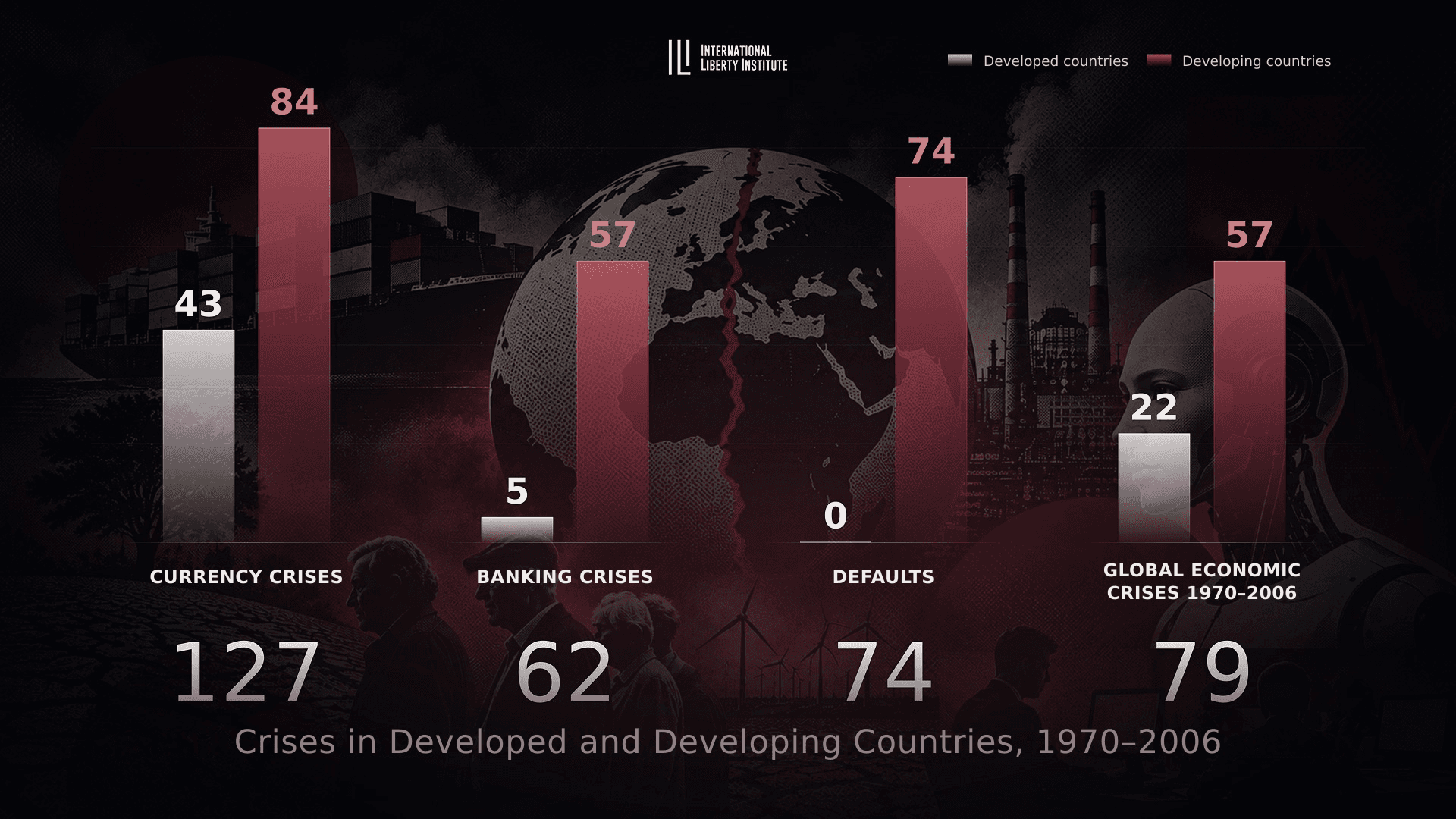
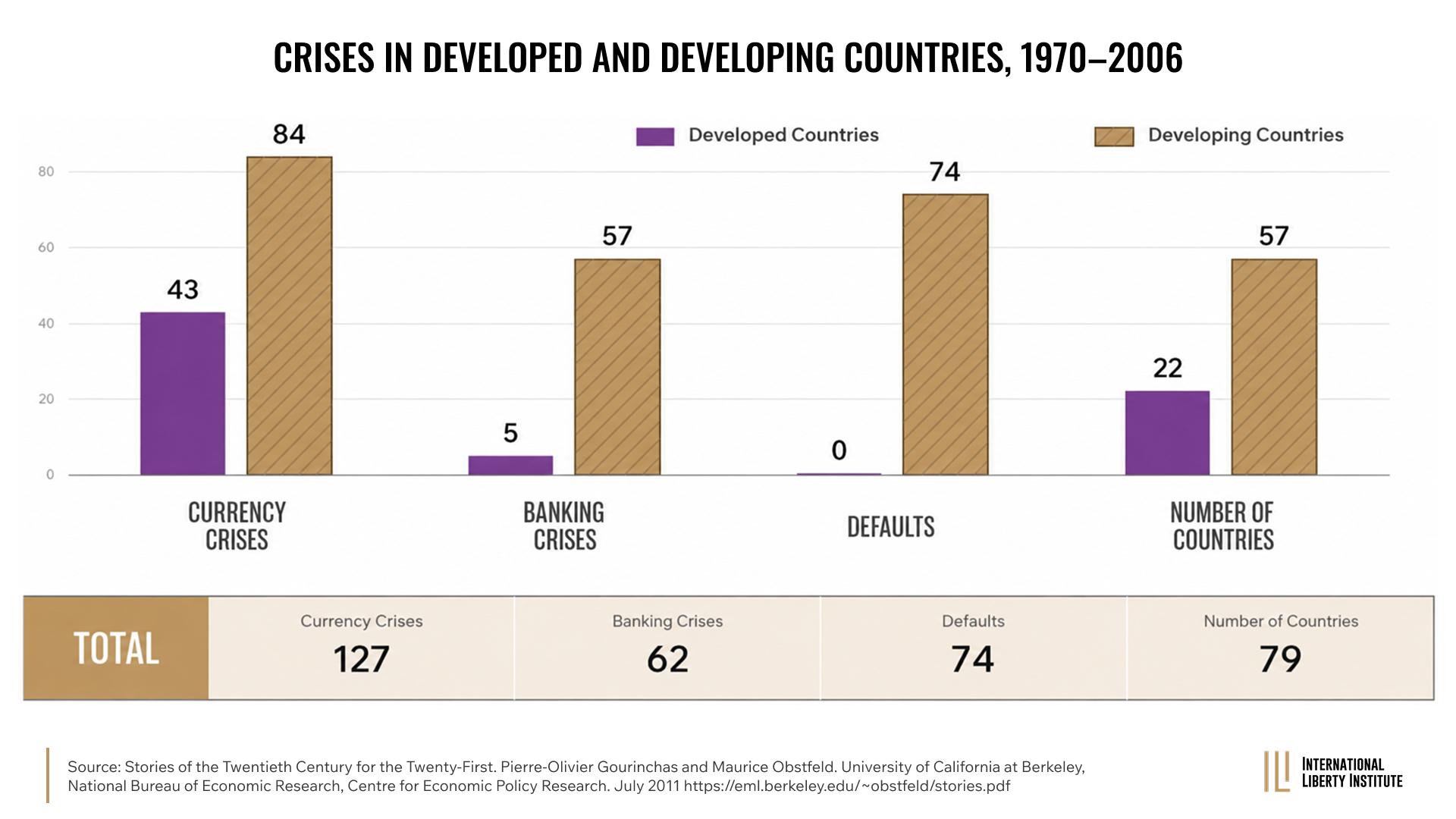
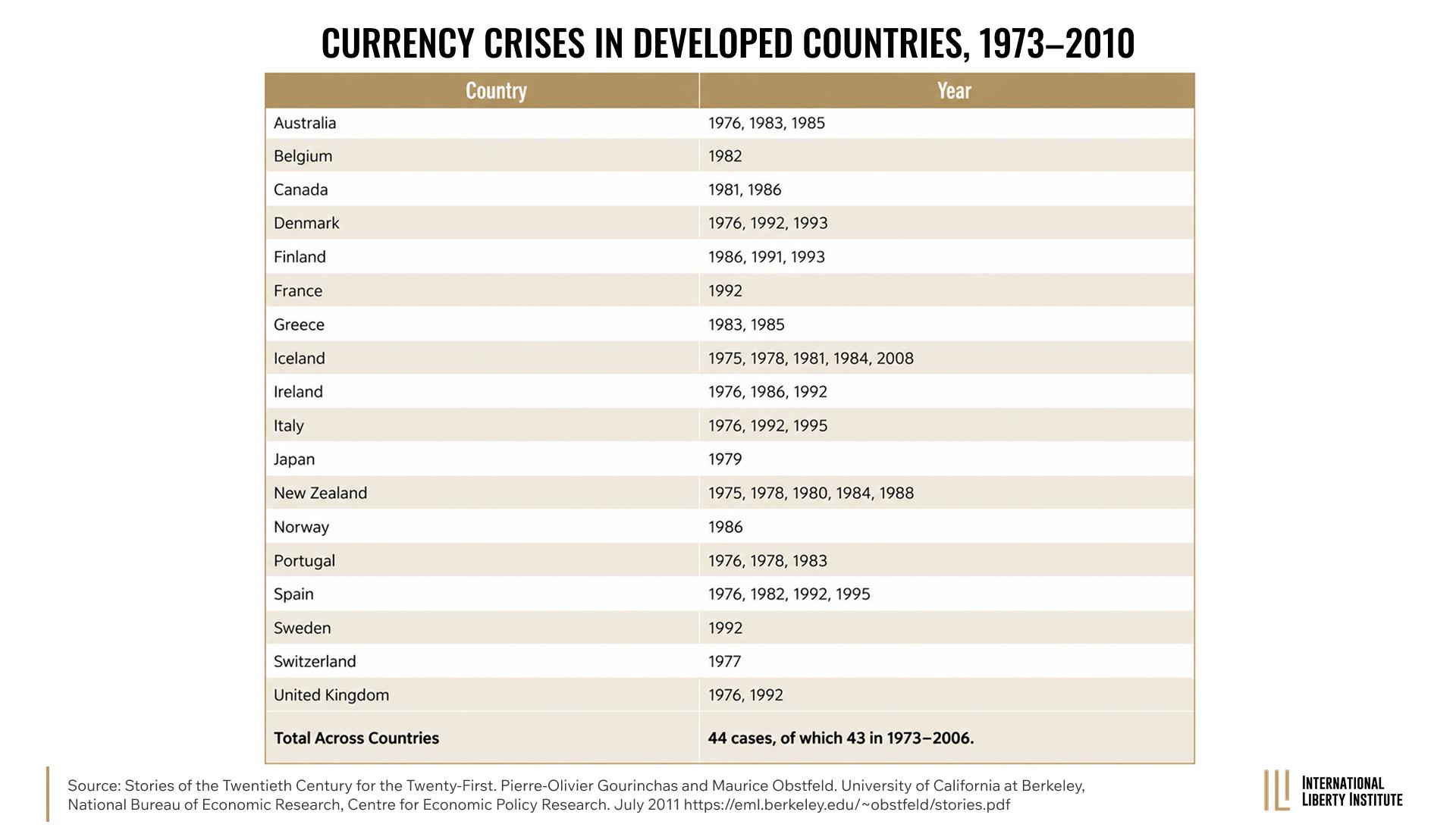
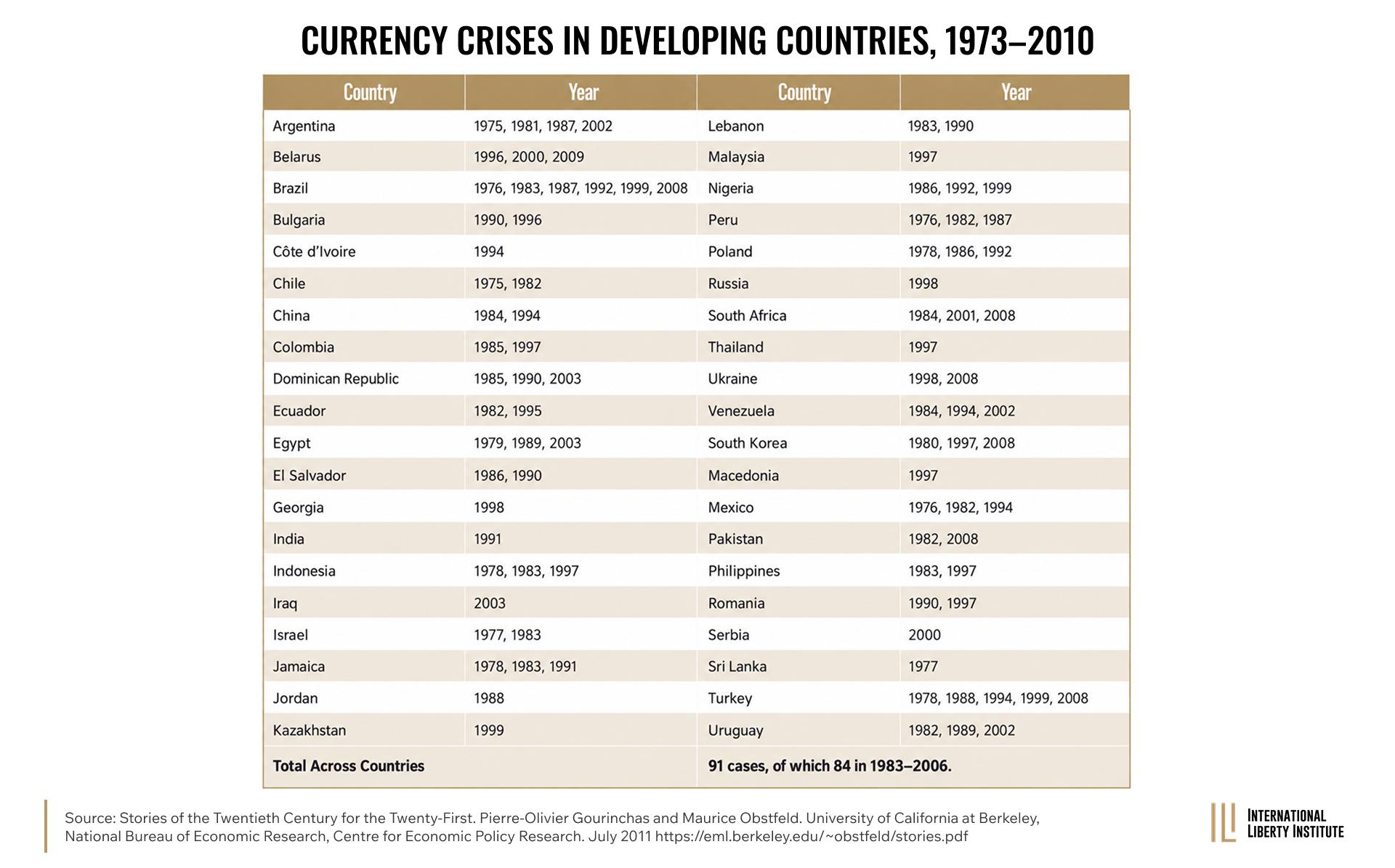
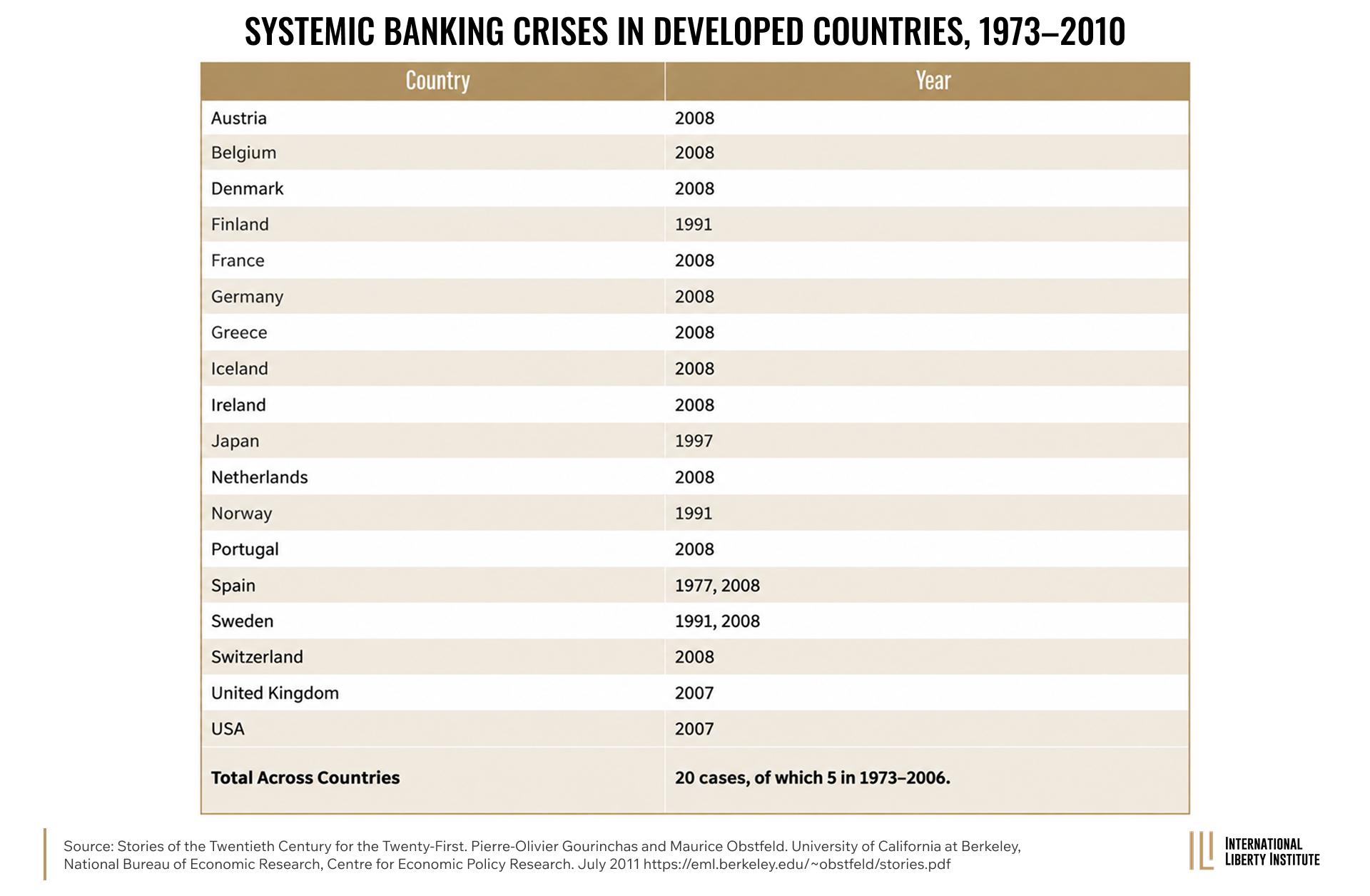
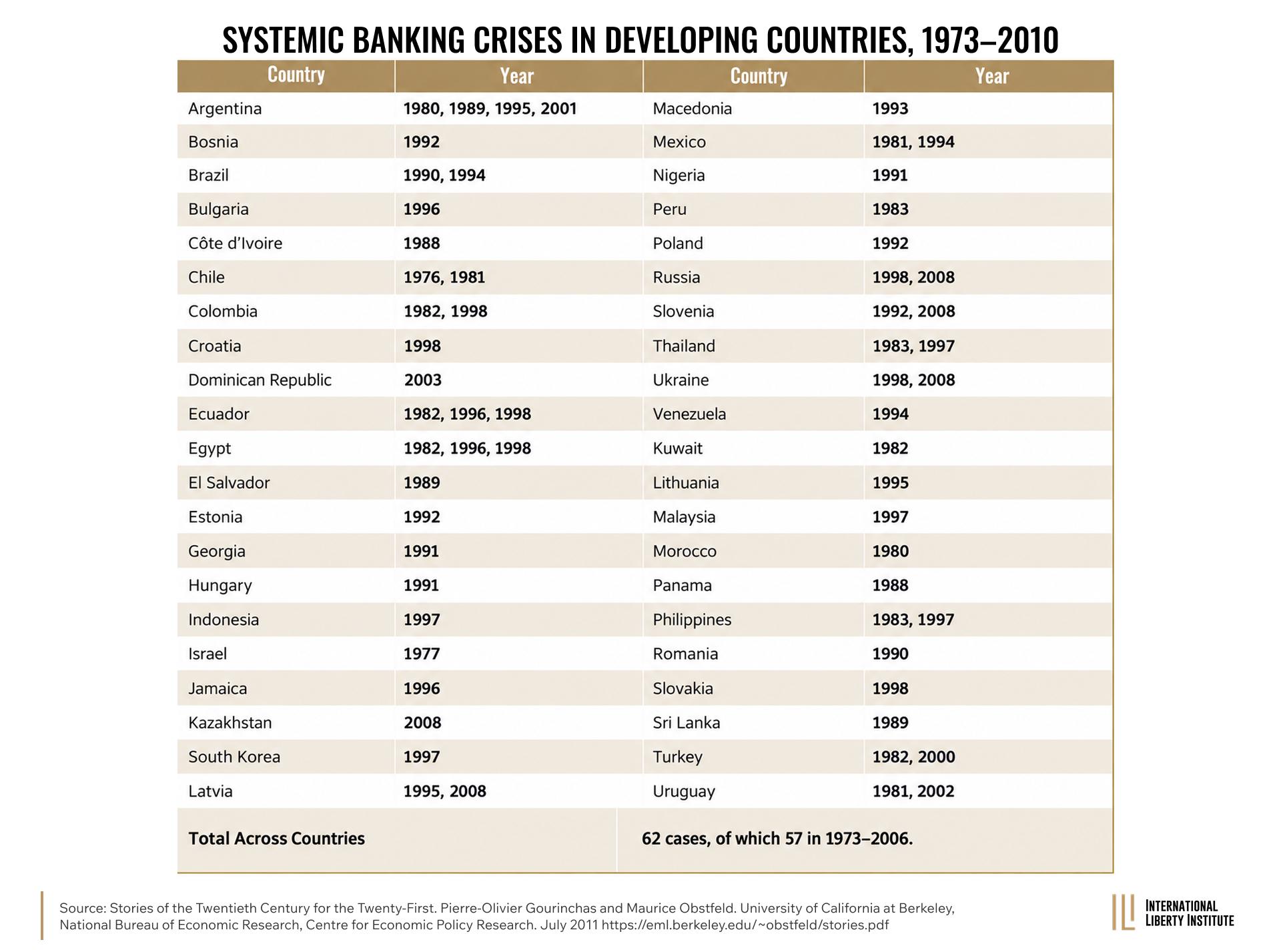
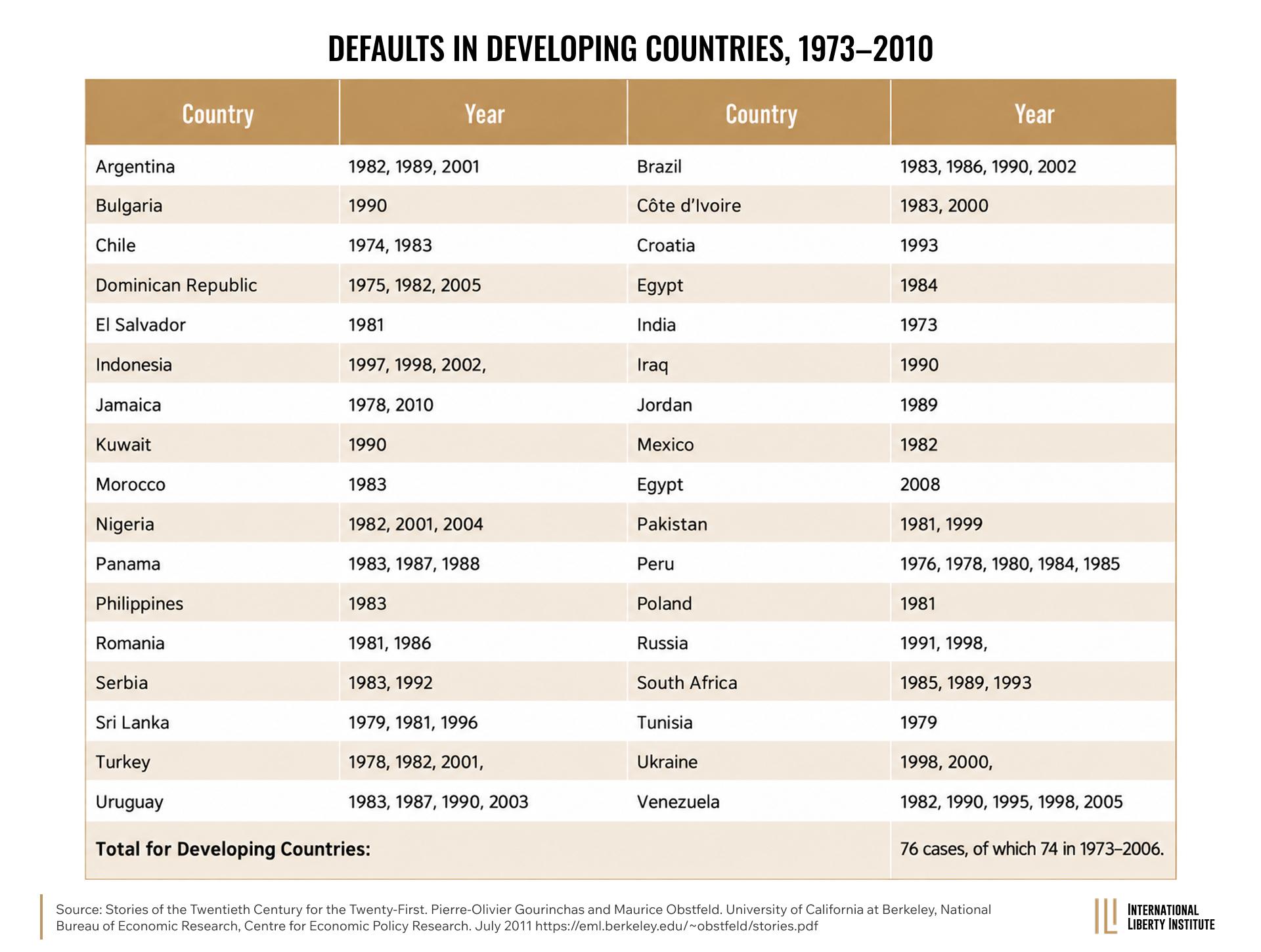
Between 1970 and 2006, there were 127 currency crises, 62 banking crises, and 74 defaults in 79 developed and developing countries around the world.
These figures come from two mainstream economists: Pierre-Olivier Gourinchas, who served as Director of Research at the IMF and as a professor at the University of California, Berkeley, and Maurice Obstfeld, who served as Chief Economist of the IMF from 2015 to 2018.
These are just some of the macroeconomic, financial, currency, and banking crises mentioned by these authors. In fact, their list is much longer. Today, a wide variety of crises are tearing the global economy apart. Many of them extend far beyond the realm of economics and can be described as praxeological crises, since they are the consequences of human actions. A crisis in the security system, a crisis of democracy, a crisis of trust, a demographic crisis, a labor market crisis, a food crisis, an energy crisis, a crisis in the system of public administration, a crisis in the system of property rights, a crisis in the system of international trade regulation, a labor market crisis, a migration crisis, a crisis of identity, a crisis of the family, a crisis in the education and healthcare systems, a crisis of alienation, and a wide variety of environmental crises — ranging from those caused by extreme natural phenomena to the climate crisis.
It is rare to find a country on the world map that is not experiencing, to one degree or another, a debt crisis, a fiscal crisis, an inflation crisis, a crisis of access to finance, a trade and balance of payments crisis, a cost-of-living crisis, a crisis of housing and basic necessities, a crisis in the housing and real estate market, a cybersecurity crisis, a corruption crisis, a structural crisis related to past investment decisions, a crisis in intercultural and interreligious relations, a crisis in the science and education systems, as well as a crisis of stagnation in labor productivity and competitiveness.
The word “crisis” has come to be used so frequently in political, economic, and social discourse that it has lost much of its semantic and emotional weight. Scientists, analysts, policymakers, influencers, lawmakers, ministers, and political and civic activists have become part of a fierce ideological and informational confrontation that is taking place not so much through traditional media as through social media, YouTube channels, X, TikTok, Instagram, and Truth Social. The word “crisis,” along with the word “social,” have become verbal traps set by the theorists and ideologues of the model of the state of universal interventionism for both developed and developing countries. This model has also been given a euphemistic name—the welfare state.
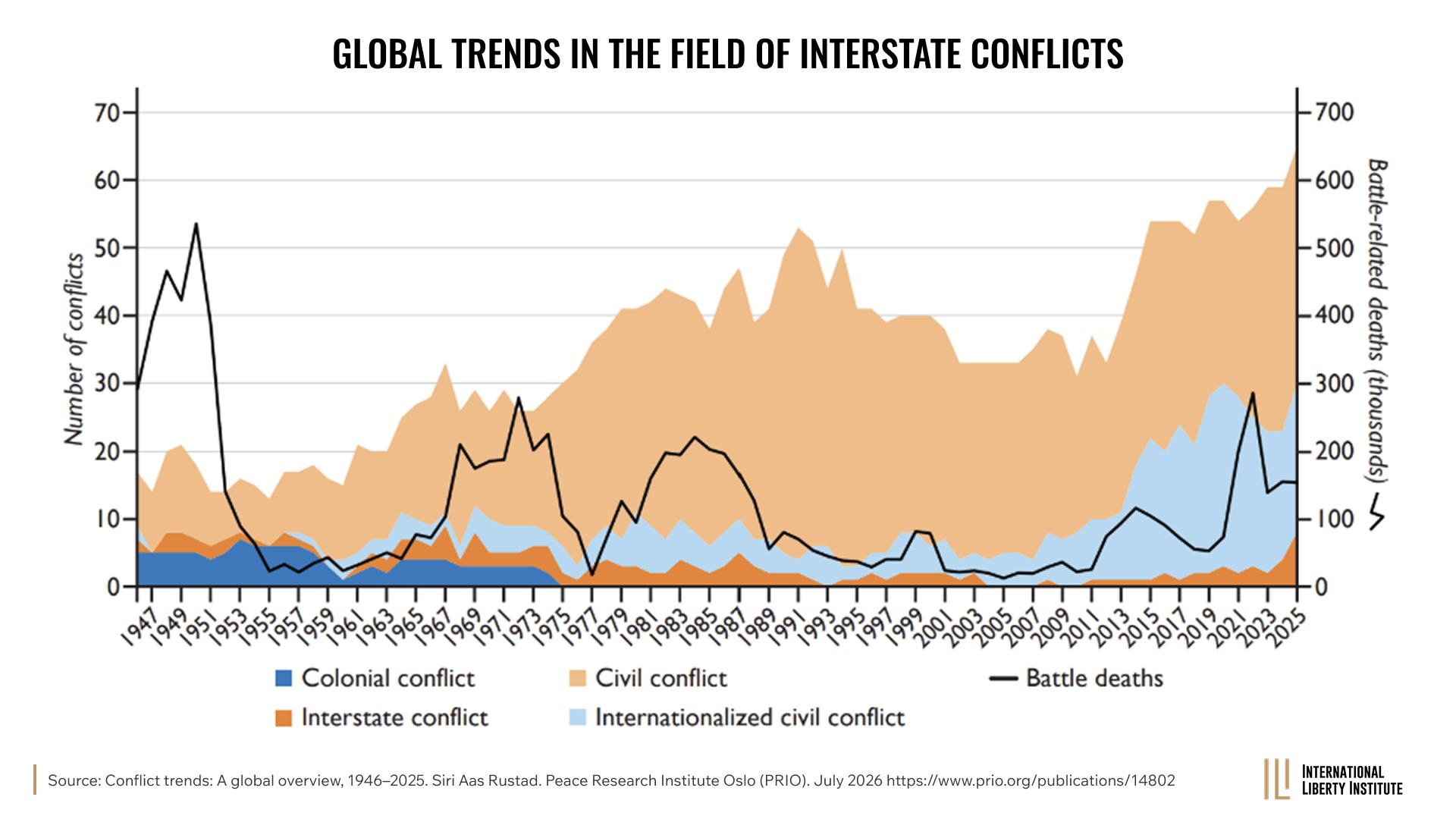
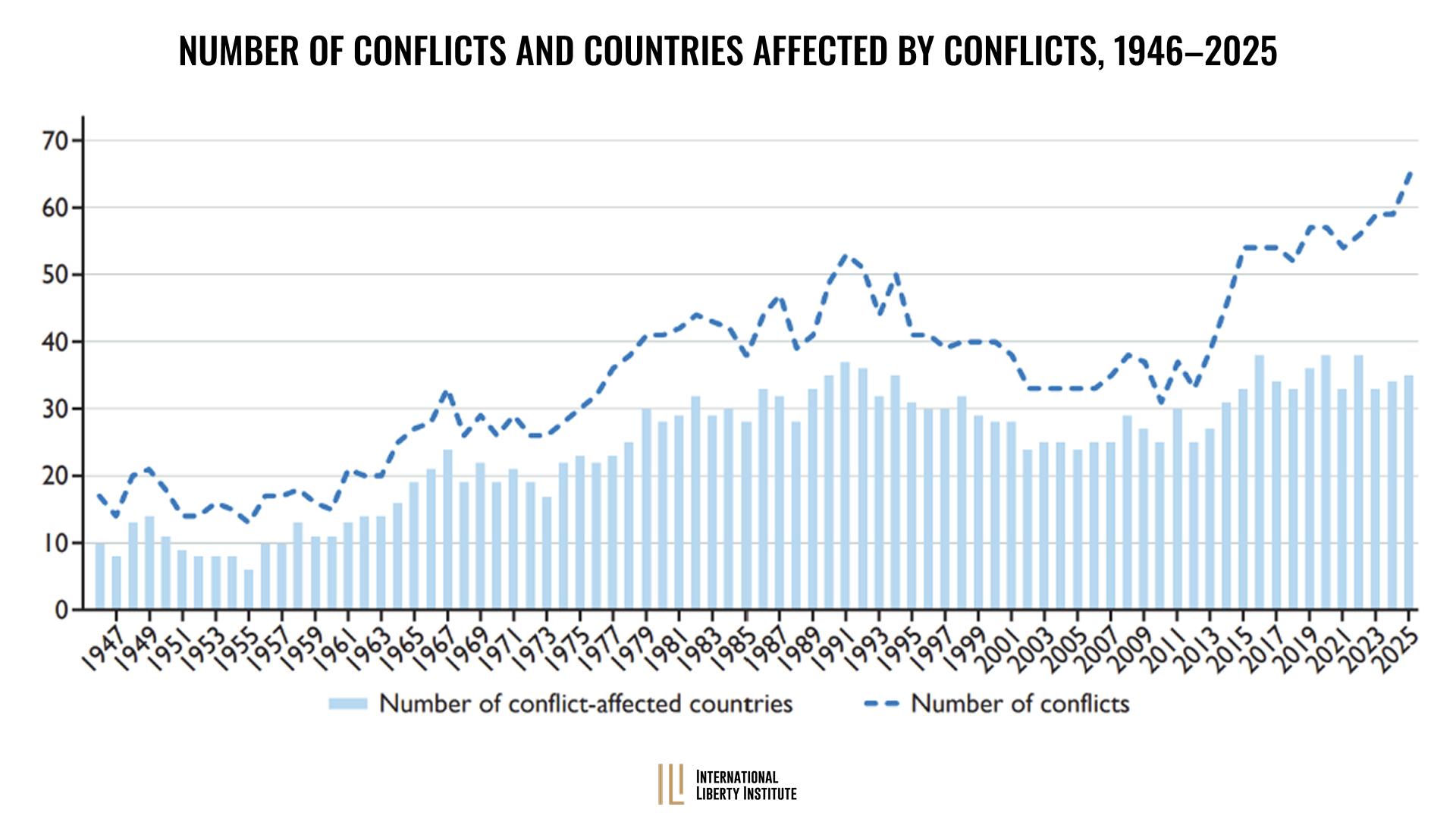
The intensification of the process of state control over a wide variety of spheres of human activity was driven by the need to neutralize existing crises and prevent future ones. Proponents of this approach based their arguments on the validity of the theory of market failures, that is, the flaws inherent in capitalism (the free market). The core of the theorists’ main hypothesis boiled down to the following: establishing state control over money and the allocation of capital in specific sectors, as well as introducing a mechanism for the redistribution of capital and income through the state, would make it possible to avoid economic crises and ensure sustainable growth and development. Empirical data from the 20th century and the first quarter of the 21st century convincingly demonstrate the fallacy of this theory and the pseudoscientific nature of the theory of market failures. The expansion of the state beyond its original functions in the free-market model (protecting the lives and property of citizens) has not only led to a significantly greater number and variety of economic crises, but has also failed to ensure peace or to neutralize military conflicts and threats. According to the database on armed conflicts maintained by the prestigious Center for the Study of Civil Wars at the International Peace Research Institute, the number of internal armed conflicts rose to 65 in 2025. These conflicts affected 35 countries. The number of interstate conflicts has doubled — to eight. Thirteen of these military conflicts have reached the point where they can be called wars. Each such conflict — and especially a war — inevitably triggers a whole chain of crises.
Even the IMF — not to mention numerous think tanks in the U.S. and Europe — has acknowledged the obvious fact that the global economy has become increasingly state-controlled. The fastest process of nationalization and expansion of the non-market sector took place in Europe. There, the share of government spending in GDP more than quadrupled, exceeding 40% of GDP by the end of the 20th century. In countries with economies in transition, the level of government spending and the degree of state control over human activity were incomparably higher than in high-income countries.
Here, government spending as a share of GDP increased more than fourfold, exceeding 40% by the end of the twentieth century. During the first quarter of the 21st century, the process of state expansion not only failed to stabilize but actually intensified, as evidenced not only by standard macroeconomic indicators (the share of total government spending in GDP, the share of tax revenues in GDP, the volume of government resources and assets, the share of public-sector employment in total employment, and the government’s share of consumption and investment), but also by indicators such as (Tax Freedom Day), Private Sector Freedom Day (Dzień Wolności Sektora Prywatnego) and Freedom from the State Day.
This last indicator takes into account not only the amount of taxes but also the regulatory burden, costs associated with tax collection, transaction costs, and the inflation tax. In developing countries and countries with economies in transition, the level of government spending and the degree to which human activity is controlled by the state are incomparably higher than they were in modern high-income countries at the beginning of the 20th century.
Even the IMF acknowledges that the expansion of the public sector in the 20th century occurred because the state took on more and more new functions and expanded the scope of its responsibilities
In the 21st century, both in developed and developing countries, the trend toward state control of human activity has accelerated and expanded. This argument is supported by the World Bank report “The Business of the State”, which analyzes 76,000 companies across 91 countries. The revenues generated by these companies amount to approximately 17% of GDP on average.
“The footprint of the state in developing countries has become much larger than previously thought, and almost 70% of the businesses, with at least 10% state ownership, are operating in competitive markets”, — said Pablo Saavedra, World Bank Vice President for Equitable Growth, Finance, and Institutions.
Sovereign wealth funds (SWFs) are major players in the global financial market. While they managed $1 trillion in assets in 2000, by mid-2022 that figure had risen to $11 trillion, while government pension funds held $23 trillion. According to data from Spain's IE University, the assets of 109 sovereign wealth funds exceeded $15.1 trillion in 2026.
According to the Thinking Ahead Institute, the total assets under management by the top 300 pension funds stood at $27.7 trillion as of early fall 2026. «Sovereign and public sector pension funds accounted for 151 funds in the top 300 and represent 71.1% of total assets».
According to estimates by the World Bank and the Milken Institute, central banks manage reserves totaling more than $11 trillion
The World Bank’s report Bringing Public Assets Out of the Shadows: Optimizing Infrastructure Services, Unlocking Revenues explicitly states that “Most governments still have limited information, at best, to show the value of their non-financial assets – whether from an accounting or a physical asset management perspective. Many governments simply do not know what assets they own, including their location, value, condition, and potential”.
According to IMF estimates presented in the IMF Investment and Capital Stock Dataset (2022), the total value of public assets in 38 countries worldwide was approximately $103 trillion, or 216% of GDP. At the same time, total government liabilities amounted to $93 trillion, of which $44 trillion was public debt.
All of this data, together with data on the volume of government spending, convincingly demonstrates that by the second half of the 2020s, the state had become the primary economic actor, the principal owner of resources and assets, and the largest asset manager. At the same time, by virtue of its status, it is the sole legitimate initiator of violence under the law, as well as the regulator, supervisor, legislator, judge, and lender of last resort. The conflict of interest created by the state has led to distortions in the capital structure, the expansion of the non-market sector, and the introduction of discriminatory practices in the market for a wide variety of goods and services. This is the most significant and fundamental difference between the state of the global economy, developed countries, and developing countries at the beginning of the twentieth century and their state in the 2020s. Thus, all the crises we are witnessing today are directly related to the place, role, and functions of the state in the economy. It is precisely this position of the state that has been theoretically justified by scholars and experts representing various strands of the theory of general interventionism.
In the fifth chapter of its 2000 World Economic Outlook report, “The World Economy in the 20th Century: Highlights and Lessons for Economic Policy,” the IMF notes that:
L"Indeed, arguably the most important lesson from twentieth-century economic history is the failure of central planning. The advantages of decentralized information processing and decision-making in resource allocation became increasingly important as technical progress accelerated, requiring an ever faster response by firms to stay competitive. It also made economies much more resilient to large external shocks like big changes in raw material prices and exchange rates by endowing them with superior flexibility to adapt to changing circumstances."L
Unfortunately, neither the academic and scientific mainstream nor political leaders or public officials have learned this valuable lesson, which was articulated by representatives of the Austrian School of Economics as early as the beginning of the 20th century and, in essence, confirmed by the IMF at the end of the same century. Not only that, the IMF itself, the World Bank, the WEF, the OECD, the UN, government development agencies, leading international consulting organizations, mainstream research institutions, and universities — following the collapse of the Soviet totalitarian State Planning Committee — offered both developed and developing countries a wide variety of state-centered development models. They assumed that the expansion of state control over the economy in a democratic country with formally legal private property would not lead to the same negative consequences as in a totalitarian or authoritarian country where private property is formally prohibited. Experience has shown this assumption to be false.
Today, we face a serious scientific, intellectual, theoretical, and practical challenge. Economists and political economists must choose between two paths. They can continue searching for solutions to an ever-growing number of conflicts within the theory and practice of the state under general interventionism, as they have done over the past 40 to 50 years. Alternatively, we can develop a modern theory and practice of transition — a field known as transitology — drawing on the intellectual legacy of the Austrian School of Economics, with its unique methodology and praxeological approach to analyzing human action, as well as on the theory and practice of government failure. It would be a serious mistake, for both developed and developing countries, to confine the field of economics within the rigid boundaries of the "Economics" textbook, which is detached from real life, and the framework imposed by its authors and stakeholders.
Despite obvious failures in economic policy and clear shortcomings in economic development theory in general — and in the welfare state model in particular — leading academic and research centers continue to seek solutions through a state of general interventionism. In the March 2024 issue of the IMF magazine “Finance & Development,” several prominent scholars, including Nobel Prize laureates, put forward their own solutions to economic problems. We analyzed their proposals in detail in the article “Four Terminators That Are Killing the Economy.” In September 2026, in the same journal, a group of Harvard economists proposed what amounted to a revolution in development economics, radically shifting the focus while leaving the state’s place and role in the economy unchanged.
We analyzed their proposals in detail in the article "Four Terminators That Kill the Economy", published on the website of the International Institute for Liberty (ILI).
In September 2026, in the same journal, a group of Harvard economists proposed what was, in essence, a revolution in development economics—radically shifting the focus while leaving the place and role of the state in the economy unchanged.
The Inadequate Proposals of the Harvard Mainstream School of Economics
In May 2024, Dani Rodrik and Rohan Sandhu published a research paper titled “Servicing Development: Productive Upgrading of Labor-Absorbing Services in Developing Countries” on behalf of Harvard Kennedy School and the Malcolm Wiener Center for Social Policy.
Thus, what we have here is not merely a set of ad hoc reflections by professors who for decades have been advocates of standard development policies, but an attempt to formulate a radically new theory of development for low- and middle-income countries in today’s world, which is characterized by a succession of crises and technological and institutional shifts.
L"The future of developing countries lies in services. Enhancing productivity in labor-absorbing services in particular must be an essential priority, for reasons of both growth and equity. In this paper, we provide a broad overview of what such a strategy might look like, drawing on a wide range of existing programs on which it might build. Emphasizing a services-driven model may seem odd in view of the phenomenal success that countries such as South Korea, Taiwan, and China have had with the strategy of export-oriented industrialization. Indeed, historically industrialization has been the main vehicle for modern economic growth. The aptly named Industrial Revolution in Britain was itself the product of the application of new technologies to manufactures such as cotton textiles. Almost all subsequent and sustained cases of economic catch-up, from the United States to Japan, were the result of industrialization. The conventional recipe for low-income countries such as those of Sub-Saharan Africa is to replicate these experiences by removing obstacles to (or actively promoting) rapid industrialization so their firms can plug into global manufacturing value chains. Today, even advanced economies are engaged in industrial and other policies to reinvigorate their manufacturing sectors, weakened by decades of competition with China."L
Taking into account the state of the global economy today, the nature of economic policy in developed countries, and the nature of modern technologies, the authors reach the following conclusion:
L"The future of developing countries is in services in the sense that that is where the jobs will be. Those jobs need to be productive ones, for reasons of both economic growth and equity. Economic growth requires that we move people from less productive to more productive activities. If services are the preponderant source of new employment, they have to be more productive than the rest of the economy in order for aggregate incomes to rise. And as for equity, the only sustainable way to lift people at the bottom of the income distribution is to provide them with better-paying jobs. Those jobs will have to be in services, whether we like it or not."L
Here we have the formulation of yet another theory of growth and development within the framework of the model of the state of general interventionism. Harvard professors believe that it is a sound theoretical proposal for countering the crises of the modern world. In their view, it should form the basis of national anti-crisis strategies. After the Solow–Swan model of exogenous economic growth and the Romer and Uzawa–Lucas models of endogenous economic growth, Harvard professors Hanson, Rodrik, and Sandhu propose a model focused on non-tradable, low-tech services that require neither industrial development nor investment in higher education.
For more than 70 years, wealthy Western countries—drawing on research from prestigious universities in the United States, the United Kingdom, Italy, and France—have told poor countries how to run their economies to ensure rapid, long-term economic growth and development. For over 70 years, more than 150 developing countries have blindly followed the advice of faculty members at Harvard, Cambridge, MIT, Berkeley, Yale, Oxford, and Princeton. For decades, graduates of these and other universities ranked among the world’s top 50 economics schools have shaped the staff of the IMF, the World Bank, the WEF, and other international economic organizations. They have formed the backbone of the consulting industry, development agencies, and the technocratic leadership of national governments.
The tenets of “development economics” have come to be regarded as little less than the Gospel of the wealthy West for the poor world. After more than 70 years of development, based on a wealth of empirical evidence regarding the frequency and intensity of crises in most developing countries, we can conclude that proposing a complex-to-manage welfare state model for countries that lacked administrative capacity, had flawed democratic institutions, and weak legal institutions for property protection was nothing less than a cynical, pseudoscientific theoretical trap. The managerial, political, and economic elites of developing and transition economies were ensnared in this trap. The theorists and high priests of “development economics” called on, pressured, and urged them to formulate economic policy based on the following 10 propositions:
accelerating economic growth through the expansion of state resources, assets, and role in the economy;
ensuring economic diversification through government programs, instruments, and resources;
eliminating poverty through the state;
ensuring sustainable regional development through state involvement;
promoting export growth through the state;
improving the quality of consumer risk management through the state;
developing high-quality human capital for the labor market by relying on the state.
ensuring innovative development through placing the state at the center of science, research, and technology;
ensuring a clean environment, fresh air, and environmental responsibility by expanding the powers of the state and granting it the authority to act as an inspector, forester, climatologist, and specialist in fish, wetlands, and oceans;
supporting the development of young people, culture, minorities, and active social groups through the state.
The state’s total takeover of the economy was precisely what led to the concentration and synchronization of crises worldwide, particularly in developing countries. Development economics, as a theoretical foundation, has been and continues to be a platform for the state taking control over the economy, business, and society. More than 70 years of practical experience provide compelling evidence for the truth of the saying, “The road to hell is paved with good intentions”.
The publications by Hanson, Rodrik, and Sandhu acknowledge, albeit belatedly, the failure of the state as a key agent in all the development models proposed over the past 70 years or more. Finally, this is being recognized by those organizations, institutions, theorists, and intellectuals who have advocated for a big state for decades. They have not yet abandoned their dogmas and recommendations or rewritten the standard economics textbook. However, the unprecedented historical synchronization of crises amid technological disruptions and the evident crisis of the state calls for new theoretical solutions. A window of opportunity is opening for us to engage in scientific and political economy debates on the question of “How to Approach Development Differently,” especially since the very high priests and guardians of the old model have begun to raise this issue themselves.
What we have here is a superficial, unconvincing attempt to explain why the old, traditional prescriptions of theorists of the general interventionism model do not work. Moreover, it is precisely these prescriptions that have led to the accumulation of crisis phenomena, which in turn have given rise to multilevel, intersectoral institutional crises.
Hanson, Rodrik, and Sandhu say nothing about their theoretical and practical mistakes. They say nothing about the theory and practice of government failure. They do not refute the climate agenda; they do not even call for it to be reviewed. They do not write about the state’s inhibiting, demoralizing, and destructive role in developing countries.
Harvard scholars behave as if the developing world is not going anywhere and will inevitably come to them for advice. Their arrogance, inability to critically reassess their theoretical legacy and empirical evidence, and long-standing rejection of theorists from the Austrian School of Economics (ASE) as a scientific foundation for capitalism and the free market — all this is prompting the governments of poor countries, as stakeholders in development, to seek other sources of knowledge, expertise, and genuine science.
Here is the advice Hanson, Rodrik, and Sandhu offer in the aforementioned paper:
L"The focus must shift from export-oriented industries toward the vast majority of people in low- and middle-income countries who work in traditional, untraded service sectors. Improving the lot of the world’s street vendors, gig workers, micro-entrepreneurs, and others untouched by global markets will do more for developing national economies than, say, assembling smartphones. Policymakers would be wise to adapt sooner rather than later."L
It is important to understand the essence of this recommendation by the Harvard professors. Representatives of the economic mainstream acknowledge the triumph of strict trade, technological, and financial protectionism in developed countries. The logic of the old development model was as follows: You, poor countries, buy technology, machinery, and equipment from rich countries, train your workers and managers, organize production, serve your domestic market, and enter export markets with your goods. Or you let TNCs into your country and agree to manufacture certain components for a multinational corporation, guaranteeing it a specific tax, financial, and regulatory regime. Today, however, poor countries are being told quite openly: access to the markets of rich countries is closed. So, dear poor countries, you are on your own — survive by relying on micro and small businesses that serve the domestic market.
This is a radical, fundamental shift in economic development theory. In essence, the Harvard “wise men” have made the following diagnosis:
L"The West has closed itself off. It has turned its back on its civilizational and ideological mission. It has placed its bets on neo-Marxism, a fusion of Keynesianism and Leviathanism. He rejected individualism in favor of the collective rights of a wide variety of social groups."L
This is not the diagnosis of a free-market advocate or the Austrian School of Economics, but of those very academic circles that have been teaching the world how to develop and conduct economic policy since the mid-twentieth century. They see the future of developing countries in… the intellectual impoverishment of their populations and a decline in their intellectual and educational levels:
L"Note first that most workers will not have a college education. Second, more than three-quarters will be in occupations that are not directly exposed to the international economy, either through trade or ‘offshorability.’ Most important, about two-thirds of the developing world’s labor force will be in occupations that do not require a college education and are not tradable. These are currently very low productivity, predominantly informal jobs such as street vending, domestic and food service work, and subsistence farming."L
The same Harvard that, since the mid-1950s, has promoted internationalization and the international division of labor, and has popularized and recommended to poor countries the Solow–Swan model of exogenous economic growth or the endogenous growth models of Romer and Uzawa–Lucas, is now, before our very eyes, writing them off. Harvard’s “wise men,” Hanson, Rodrik, and Sandhu, conclude:
L"The inescapable conclusion is that the standard modes of productive transformation—namely, investment in conventional education and export-oriented industrialization—can no longer generate large numbers of good jobs. These strategies will therefore not contribute much to income opportunities for most workers in developing economies. Instead, the central challenge of economic development today is how to increase productivity in nontraded activity jobs, mostly in services, that do not require a standard college education. That question should frame all discussions on the future of development strategy."L
What we are witnessing is indeed a tectonic shift in Harvard’s development theory, coming from one of the world’s leading centers for developing crisis-management strategies for developing countries and countries with economies in transition. In light of the proposals put forward by Hanson, Rodrik, and Sandhu, the key messages for these countries are as follows:
you do not need industrialization: the less you produce, the greater your contribution to the global “green” economy will be;
you do not need to develop your scientific and educational capacity to any great extent;
you do not need to focus on exports;
you do not need to expect to benefit from the international division of labor;
your jobs are in the services sector, where higher education is not required for most workers.
In the domestic services sector, low-productivity jobs requiring low-skilled labor are geared toward survival. Today, however, industry is too capital-intensive to create a sufficient number of jobs.
L"The focus should be on encouraging productivity growth in the activities where the bulk of jobs are and will remain. We need an updated version of the industrial policy that successfully promoted industrialization — but this time mostly in nontraded services."L
Harvard’s “wise owl” does not explain how to turn the non-tradable services sector into a generator of jobs and labor productivity growth without capital, knowledge, or even education. From their perspective, industrial policy in developing countries should focus on small firms, which dominate the services sector.
L"The government can encourage these firms to do more and work with experienced exporters, mining companies, and large retail chains to expand and effectively upgrade their network of local suppliers. Many large employers have their own training programs that can be adapted for use by a wider range of firms."L
Under the new development model, Hanson, Rodrik, and Sandhu see the government’s role as “providing micro and small enterprises with public resources that directly contribute to productivity gains.” Many governments already provide such services, ranging from loans to management training. However, these programs generally do not target productivity and rarely take into account the constraints faced by small businesses. In the name of preserving the state’s all-encompassing role and implementing DEI (Diversity, Equity, and Inclusion), theorists of the “big state” proclaim something that would have been considered outright heresy under the old models: “Technology, innovation, exports, and even economic growth itself lose their meaning if they benefit only a narrow group of workers”.
It follows that if a brilliant entrepreneur or a group of businesspeople develops a breakthrough, high-tech product with a high profit margin that becomes a sales hit and enables its founders (shareholders) to make a great deal of money, this is apparently considered bad and pointless because the project benefits only a small number of workers. It is hard to imagine a more profound lack of understanding, born of ideological blindness.
The Western economic mainstream, represented by prestigious universities and international economic organizations, is deeply concerned. Once again, it has proven unprepared to provide a scientific explanation for the current state of the world or to develop a truly scientific anti-crisis strategy. Right before our eyes, the cornerstones of all his development models have crumbled, but the theorists and defenders of the old models refuse to admit defeat in theory or practice. Furthermore, they are trying to impose a new role for the state on the world: “Success depends on a culture of learning and experimentation. Governments cannot pick ‘winners.’” They don't know in advance what will work. This uncertainty must be taken into account when developing government programs. Collaborative, iterative approaches that are open to revision and aim to address constraints through state support should replace top-down programs based on budgetary subsidies and fixed parameters.
Conclusions
Перед нами — демонстрація хронічного бажання керувати чужими ресурсами та грошима. Адже сучасні політики не в змозі визнати, що саме їх бажання все регулювати шкодить економіці та стає синхронізатором усіляких криз. Адже за несподіваним одкровенням, визнанням очевидного — що уряд не може обирати переможця на ринку, бо не знає, що спрацює, — логічно випливає необхідність визнання аксіоми людської діяльності, сформульованої вченими Австрійської економічної школи (АЕШ) понад 100 років тому. Ті самі, яких теоретики та ідеологи моделей розвитку в рамках держави загального інтервенціонізму ізолювали, на яких наклепували, яких обзивали «не вченими, а сліпими фанатами капіталізму», проти яких використовували потужні інструменти культури скасування (cancel culture). Невже наукова істина стає такою лише після того, як вона прозвучить з вуст гарвардських «сов» або їхніх партнерів із Топ-100 провідних університетів світу?
Conclusions
What we see here is an example of a chronic desire to control other people's resources and money. After all, today's politicians are unable to admit that it is precisely their desire to regulate everything that harms the economy and triggers all sorts of crises. Indeed, this unexpected revelation—the acknowledgment of the obvious, namely, that the government cannot pick winners in the market because it does not know what will work—logically leads to the need to recognize the axiom of human action formulated more than 100 years ago by scholars of the Austrian School of Economics. The very scholars whom theorists and ideologues of development models based on a state of pervasive interventionism isolated, slandered, and called “not scholars, but blind fanatics of capitalism,” and against whom they wielded the powerful tools of cancel culture. Does a scientific truth become one only after it has been voiced by Harvard’s “wise owls” or their partners at the world’s top 100 universities?
They lack the courage and scientific integrity to do so. They are working intensively to preserve the state’s right to manage economic processes, influence the formation of capital structure, and determine what only the large and wealthy deserve and what will be left to the poor—in their model, the chronically poor. If this position becomes the prevailing view at the IMF, the World Bank, and development agencies for the next 15–20 years, there will be no reason to preserve these international institutions and organizations. They should be dismantled, along with the departments and universities that for decades have imposed on the world pseudoscientific, highly ideological Leviathan models for developing countries. Judging by the quality of the intellectual output produced by Harvard, other Ivy League universities in the United States, and universities in Europe in the field of economic theory, and considering the crisis-management strategies that the IMF, the World Bank, the OECD, and the UN offer to developing countries, it is time to stop following their advice and recommendations when developing crisis-management strategies and policy documents that lay the foundations for long-term economic growth and development. Opportunities are opening up for a wide range of research on development and economic growth within developing countries themselves, including Ukraine. We propose pursuing this research on the firm and solid scientific foundations of the Austrian School of Economics. It has stood the test of time, both at the theoretical level and in the realm of economic policy.
A well-known Ukrainian and Belarusian economist, popularizer of the Austrian economic school in the post-Soviet space. He specializes in reforms in transitional economies in the post-socialist space.
Harmful economic myths underpin entire country strategies implemented by governments and ultimately lead to financial crises, rampant inflation, and the long-term impoverishment of entire nations. Ukraine is an example. But is there an antidote?
World-renowned economists are sounding the alarm, warning of a new global crisis. What are its preconditions, and what wrong worldview decisions can cause a new Great Depression? And what Ukrainians should do to withstand new economic challenges.